Crawlspace Mold Remediation in Essex County, NJ
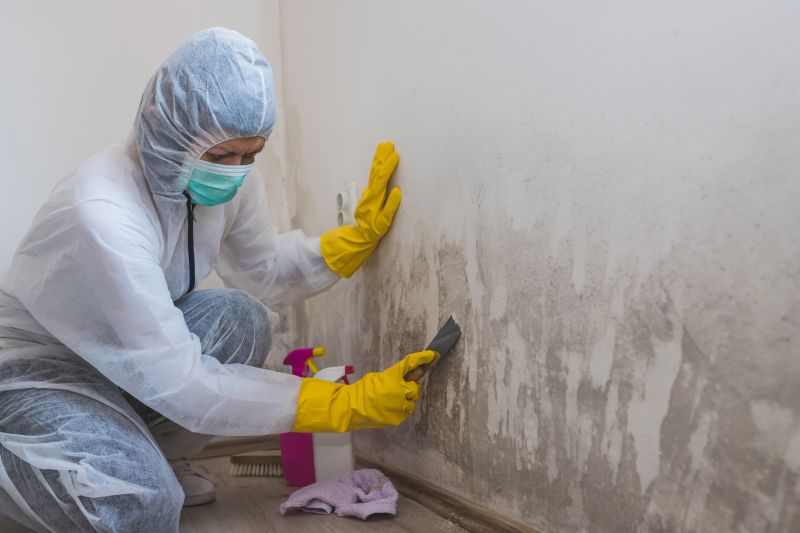
Crawlspace mold remediation services focus on identifying and removing mold growth that occurs beneath a home. This service is essential for projects where mold has developed due to excess moisture, poor ventilation, or water intrusion in the crawlspace area. Property owners typically request this service when they notice musty odors, visible mold patches, or experience health symptoms related to mold exposure. The process involves thorough inspection, mold removal, and treatment to prevent future growth, helping to improve indoor air quality and protect the structural integrity of the property.
Before requesting crawlspace mold remediation, homeowners should understand the extent of mold presence and any underlying moisture issues contributing to mold growth. It’s also helpful to know if there has been recent water damage or ongoing humidity problems in the area. Proper assessment ensures that the remediation addresses both the visible mold and the root causes, promoting a healthier, safer living environment. Clear communication about the scope of the project and any concerns regarding mold spread or property conditions can facilitate effective treatment planning.
Many property owners in Essex County, NJ look into Crawlspace Mold Remediation for repairs, replacements, upgrades, and appearance-related improvements.
Signs Of Mold In Crawlspaces
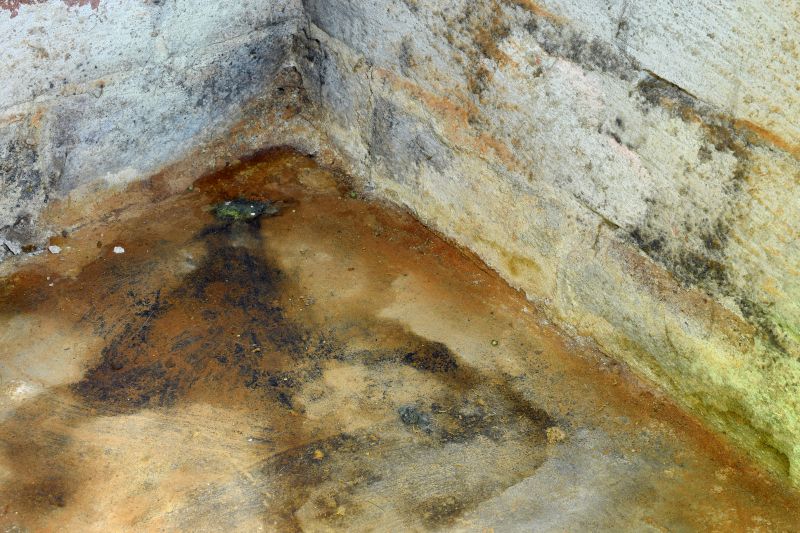
Homeowners may notice a musty odor or visible mold growth beneath the home.
Health Risks Of Crawlspace Mold
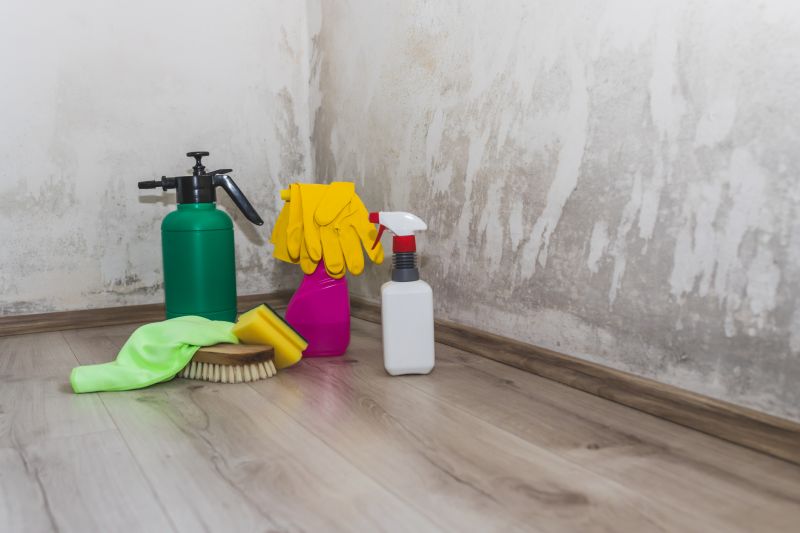
Mold spores can cause allergies, respiratory issues, and other health concerns for residents.
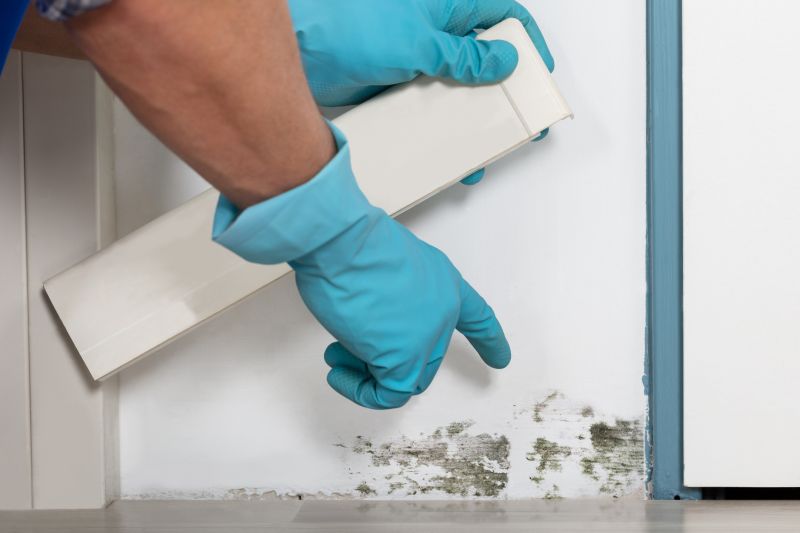
Remediation Process Overview
Effective mold removal involves thorough cleaning, moisture control, and proper drying to prevent future growth.
Crawlspace Mold Remediation in Essex County, NJ
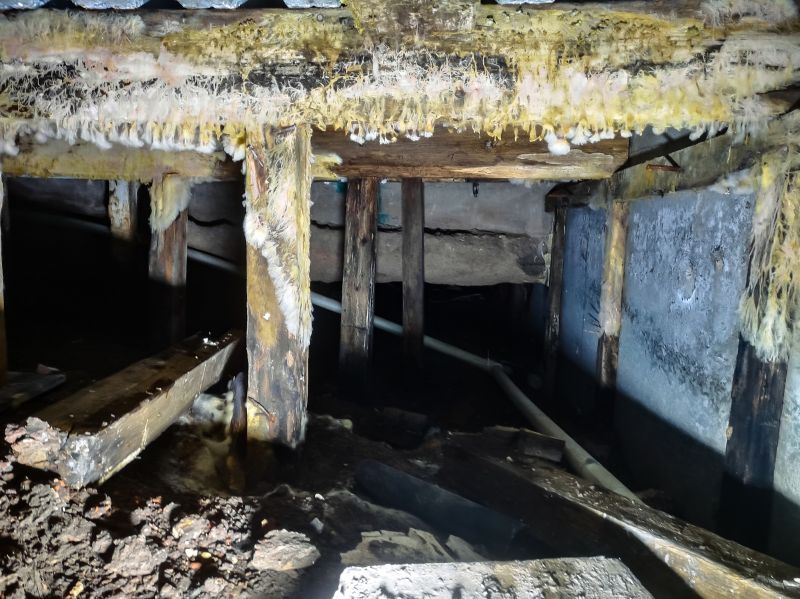
Crawlspace mold remediation services focus on identifying and removing mold growth that occurs beneath a home. This service is essential for projects where mold has developed due to excess moisture, poor ventilation, or water intrusion in the crawlspace area. Property owners typically request this service when they notice musty odors, visible mold patches, or experience health symptoms related to mold exposure. The process involves thorough inspection, mold removal, and treatment to prevent future growth, helping to improve indoor air quality and protect the structural integrity of the property.
Before requesting crawlspace mold remediation, homeowners should understand the extent of mold presence and any underlying moisture issues contributing to mold growth. It’s also helpful to know if there has been recent water damage or ongoing humidity problems in the area. Proper assessment ensures that the remediation addresses both the visible mold and the root causes, promoting a healthier, safer living environment. Clear communication about the scope of the project and any concerns regarding mold spread or property conditions can facilitate effective treatment planning.
Many property owners in Essex County, NJ look into Crawlspace Mold Remediation for repairs, replacements, upgrades, and appearance-related improvements.
Common Crawlspace Mold Remediation Jobs
Crawlspace Mold Remediation - removes mold growth from crawlspace areas to improve indoor air quality.
Mold cleanup and removal - safely eliminates visible mold and prevents future growth.
Moisture control solutions - addresses excess humidity that encourages mold development.
Mold prevention treatments - applies treatments to inhibit mold reappearance after cleanup.
Crawlspace encapsulation - seals vents and improves ventilation to reduce moisture buildup.
Inspection and assessment - evaluates crawlspace conditions to identify mold and moisture issues.
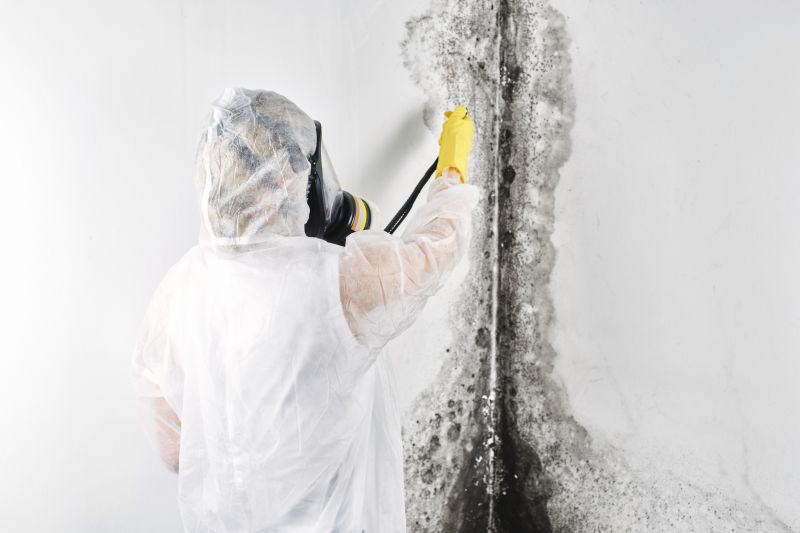
Crawlspace Mold Remediation Questions
What causes mold growth in crawlspaces? Excess moisture, poor ventilation, and humidity create ideal conditions for mold to develop in crawlspaces.
How can mold affect a home? Mold can lead to musty odors, structural damage, and potential health issues for occupants.
What signs indicate mold presence in a crawlspace? Visible mold spots, a damp smell, or increased humidity levels are common indicators of mold growth.
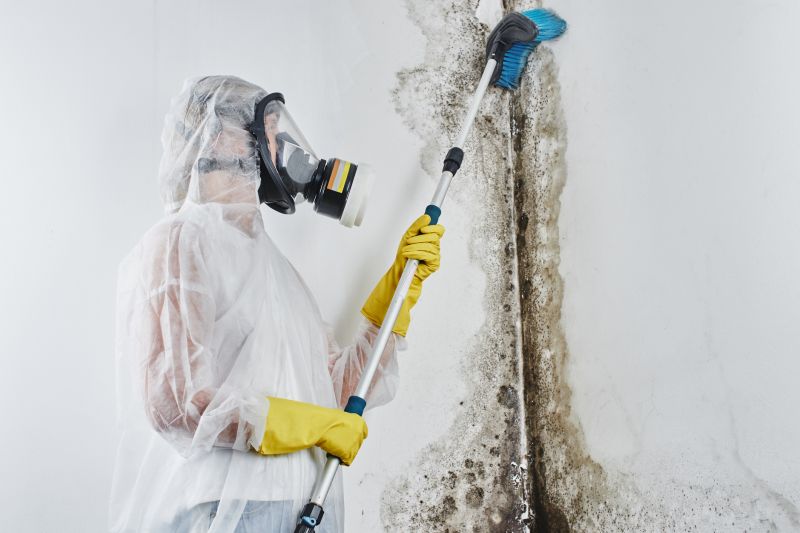
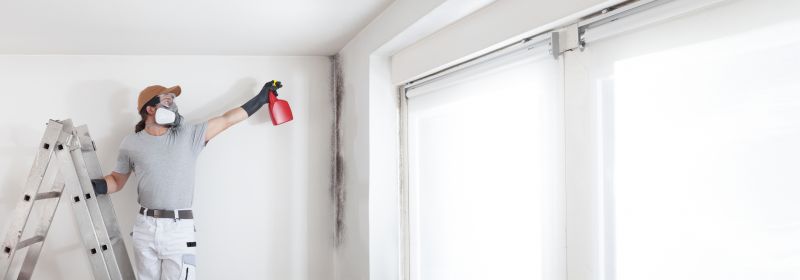
What are common steps in mold remediation? The process typically involves moisture control, mold removal, and improving ventilation to prevent future growth.
Request Crawlspace Mold Remediation in Essex County, NJ
Use the quote form on this page to share the basics of your project and request more information for the type of work you need.